Corona highlight
Historic citrus
Corona's roots run deep in California's citrus industry, which once defined the region's economy and landscape.
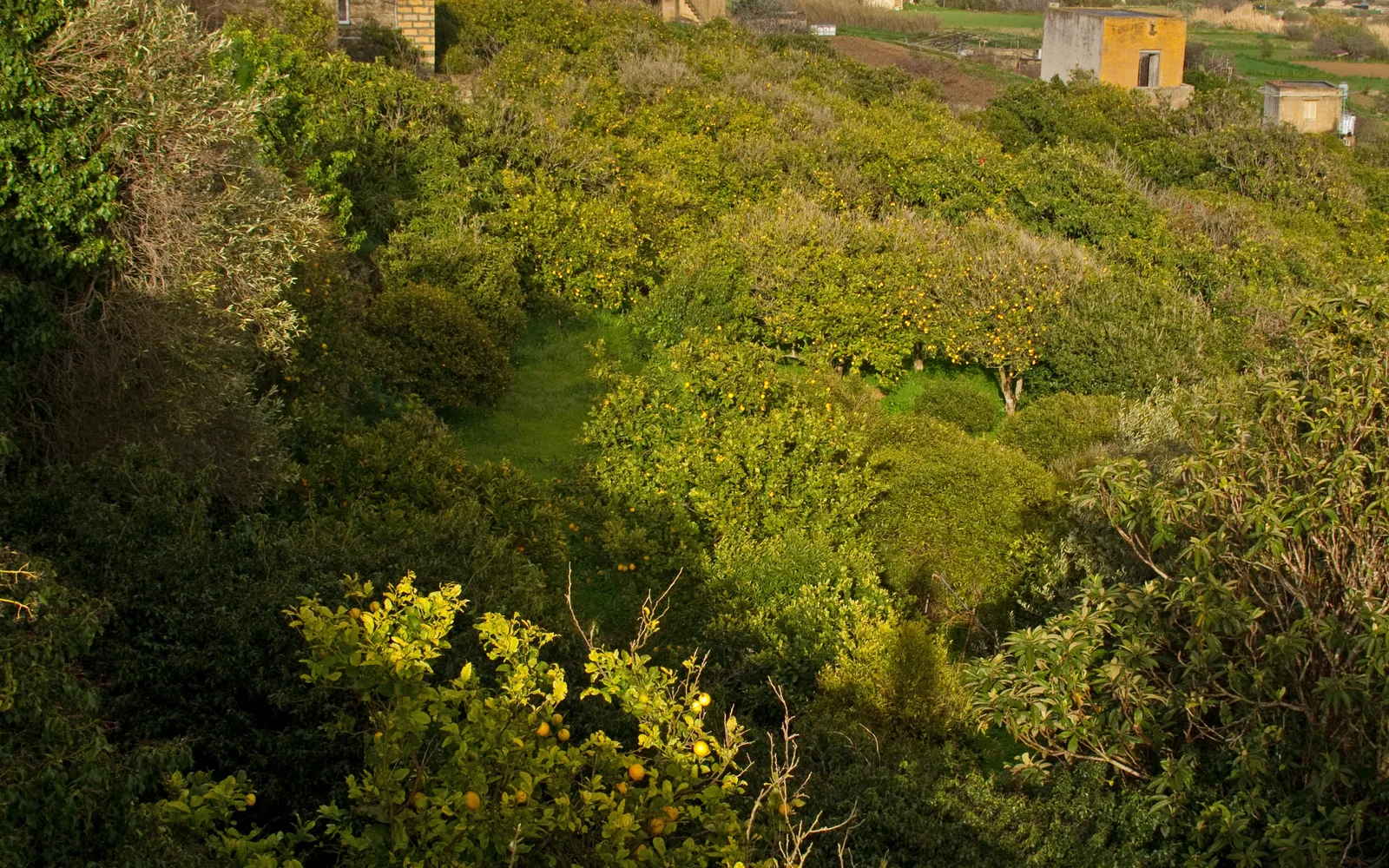
Corona developed as a city during the height of Southern California's citrus boom, when lemon and orange groves spread across Riverside County and transformed the landscape. The region became a center of agricultural innovation and trade, with family farms and packing houses driving both the local economy and the broader state agricultural industry. Citrus cultivation required significant capital investment, generational knowledge, and careful planning—a commitment that shaped the character of Corona's early communities.
The citrus industry of Riverside County attracted entrepreneurs, families, and workers from across the country who saw opportunity in California's climate and transportation networks. Orchards required long-term stewardship, careful water management, and investments in infrastructure that benefited entire communities. The California Citrus State Historic Park in nearby Riverside preserves this heritage, commemorating the economic and social impact of the industry that once dominated the region.
That agricultural heritage reflects a deeper pattern in Corona: families making long-term decisions for their households and their futures. The same kind of planning that went into building orchards and businesses applies to life insurance. A term policy that covers the years when your family or business would be hurt most by the loss of your income is both practical and forward-looking—much like the growers who invested in Corona's future.